
Primary Source: Fast Company
A designer who always keeps the rules of branding in mind will deliver designs that are consistent, deliberate and powerful.

Branding is about creating patterns, not repeating messages (source example) | Understanding the basic strategies of brand design will unify and reinforce the message you wish to communicate through your design while being innovative.
[ image: http://images.fastcompany.com/upload/Image_01-A.jpg ]


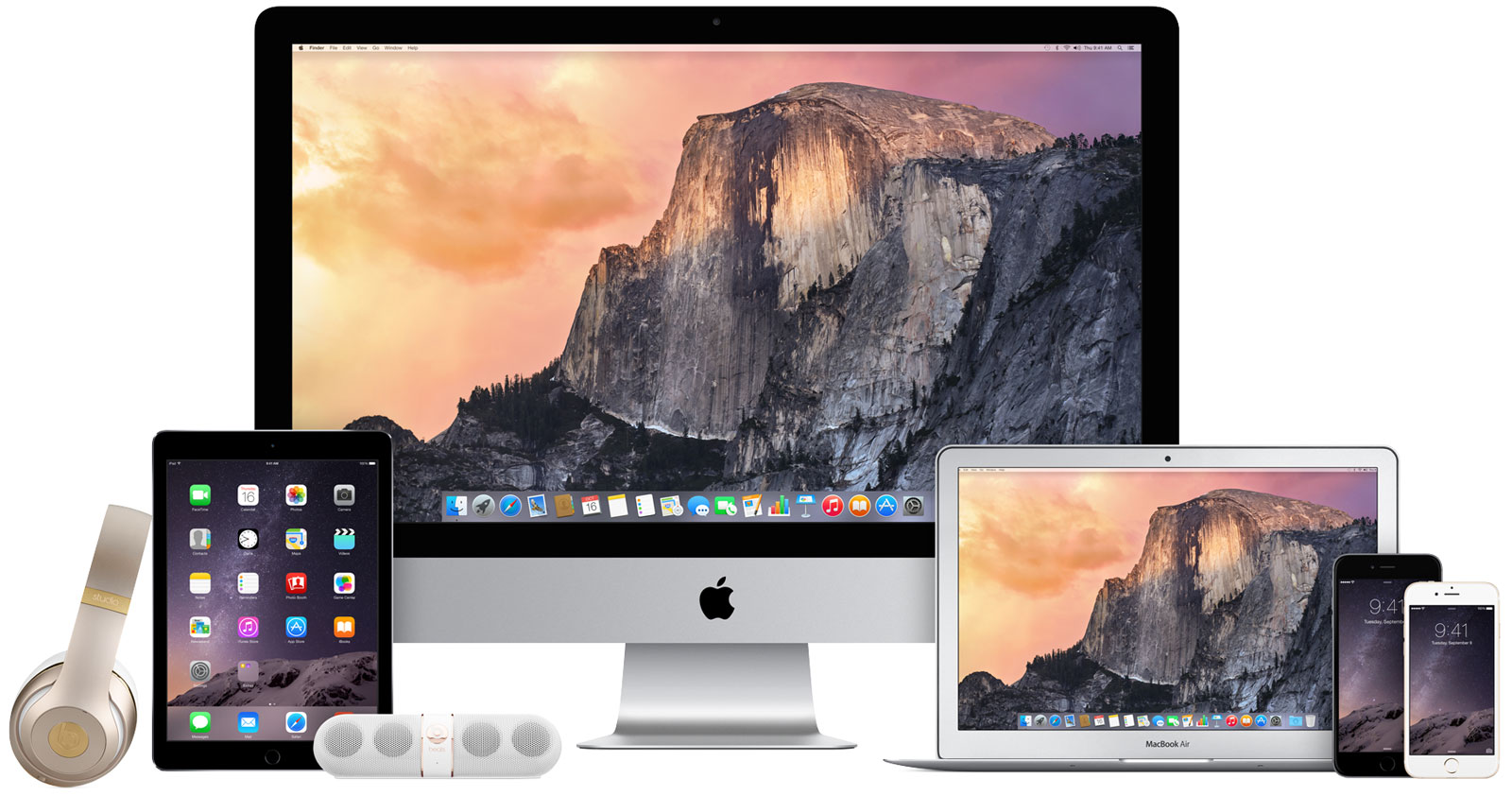
Apple (Internet example) | Apple is the ultimate example of a very tightly branded company. Every aspect of Apple is consistently and deliberately branded from the service and architecture in their retail experience, to the packaging, to the industrial design of their hardware, the interaction and visual design of their software, their accessories and even their partner brands like Beats. Whatever you design, brand is important to keep in mind.
[ image: http://www.macpricesaustralia.com.au/wp-content/uploads/2014/11/2014-products-apple.jpg ]

Game of Thrones (non-Internet example) | The most successful TV shows (Breaking Bad, House of Cards, Friends) have extremely strong branding that must be consistently but carefully reinforced in every moment of the show. Even to non-viewers, the Iron Throne, Ned Stark with Ice and the GOT typeface are recognizable brands of the show.
@Debra: I love that you defined it as “life and spirit”, because that really represents what a good brand is. Your example of the Southwest brand reminds me of Airbnb’s logo: http://www.underconsideration.com/brandnew/archives/airbnb_logo_4things.png
@Meghna: The Android team at Capital One constantly references Material Design for our style guide needs whenever we need to create a new component or handle a new feature. I think we utilize the styles of Material Design as the foundational building blocks of our design brand but I think our own creative input is more prominent in the screens and flows we’ve created out of Material Design components like consistency across success screens and error messages and our FTUX (first time user experiece) flows.
It is so true the idea of “branding” will hold all thoughts together when designing a project. The principle of consistency definitely supports the idea in branding: Everything users/ consumers see, hear, touch, taste, and interact with should all align with one center goal the brand tries to present.
Another good example could be the identity design of SouthWest Airline (http://www.southwest-heart.com/). While I was working on our company branding (travel related), executives keep referring to how they like the consistent service design of the airline. This example reminds me of branding has another deeper level of mission to fulfill: Deliver the core values to the public through all kinds of communication channels. A lot of time, people think about branding as only what they see and touch, but in a deeper level behind, a brand is the life and spirit of the subject matter it is trying to present.
Flat design and minimalism get the thumbs up as Google officially publishes its visual branding style guidelines.
To ensure a strong brand identity, every organisation needs a design style guide, to ensure that all its visual assets adhere to consistent principles. And that applies just as much to the planet’s biggest company, Google, as anyone else.
Since January 2012, under the leadership of team manager Christopher Bettig and design/project lead Roger Oddone, Google has been working on creating a solid, yet flexible set of guidelines for using its visual assets for both its vendors and its own designers. And it’s now released the results.
As you can see from the extracts shown here, Google’s been very much influenced by the current flat design trend, but there’s also a huge amount of detail on everything from recommended colour combinations to typography at small sizes. You can see the full guidelines, which cover product icons, logo lockups, user interface icons and illustrations here. It’s a fascinating read for any designer – how does it compare to your company’s style guide?
Source: http://www.creativebloq.com/branding/google-reveal-their-design-principles-6133171